Agricultural communities
Residue supply arrangements could create additional income opportunities for farmers and processors, alongside local jobs in collection, logistics and operations.
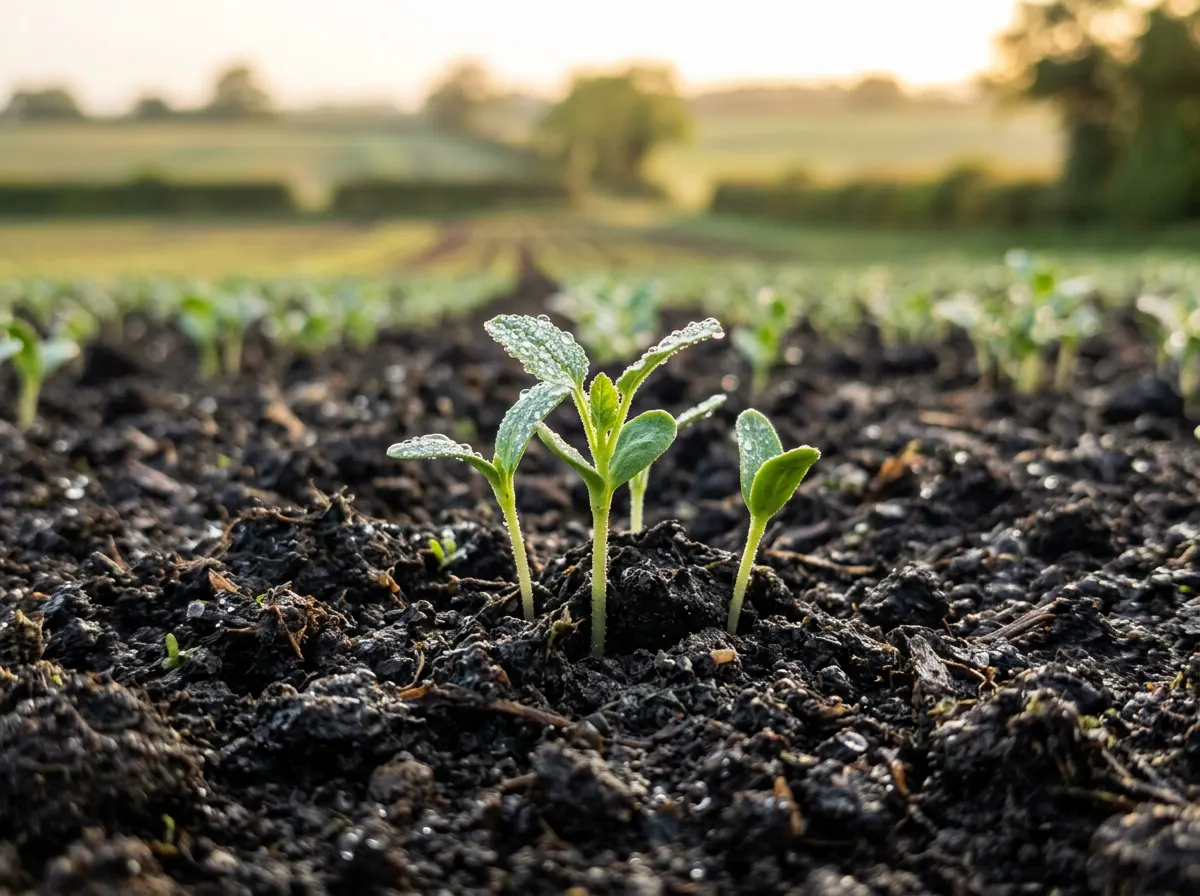
Well-designed biochar projects have the potential to benefit farming communities, soils and the climate together. Here is what we are working towards.
About these benefits. The impacts below describe potential outcomes that our project is designed to pursue. They are not claims of results achieved. Any future impact figures will be based on measured data and, where relevant, independent verification.
Residue supply arrangements could create additional income opportunities for farmers and processors, alongside local jobs in collection, logistics and operations.
Providing an alternative use for surplus residues may help reduce open burning and the smoke and air pollution associated with it.
Research suggests biochar can improve water retention and other soil properties in some conditions. We intend to study its suitability for local soils and crops.
Turning residues into stable carbon offers a practical, nature-linked contribution to Nigeria’s climate goals and to global efforts to limit warming.
Biochar can store carbon for long periods. Any carbon removal from our project will be quantified using recognised methodologies before it is reported.
Benefits must not come at the cost of food security, soil cover or community wellbeing. Safeguards are part of our design from day one.
Credibility depends on measurement. As the project develops, we intend to put in place clear systems to track and report outcomes.
Partner with us to develop a biochar project built on evidence, integrity and community benefit.