A proposed biochar and carbon removal project
We are developing a project to turn agricultural residues in Nigeria into biochar, with the aim of creating durable, verifiable carbon removal and practical benefits for farming communities.
Project status: development stage. The activities described on this page are proposed or planned unless clearly marked as completed. We do not report carbon removal figures, production volumes or results until they have been achieved and independently verified.
Why biochar, and why here
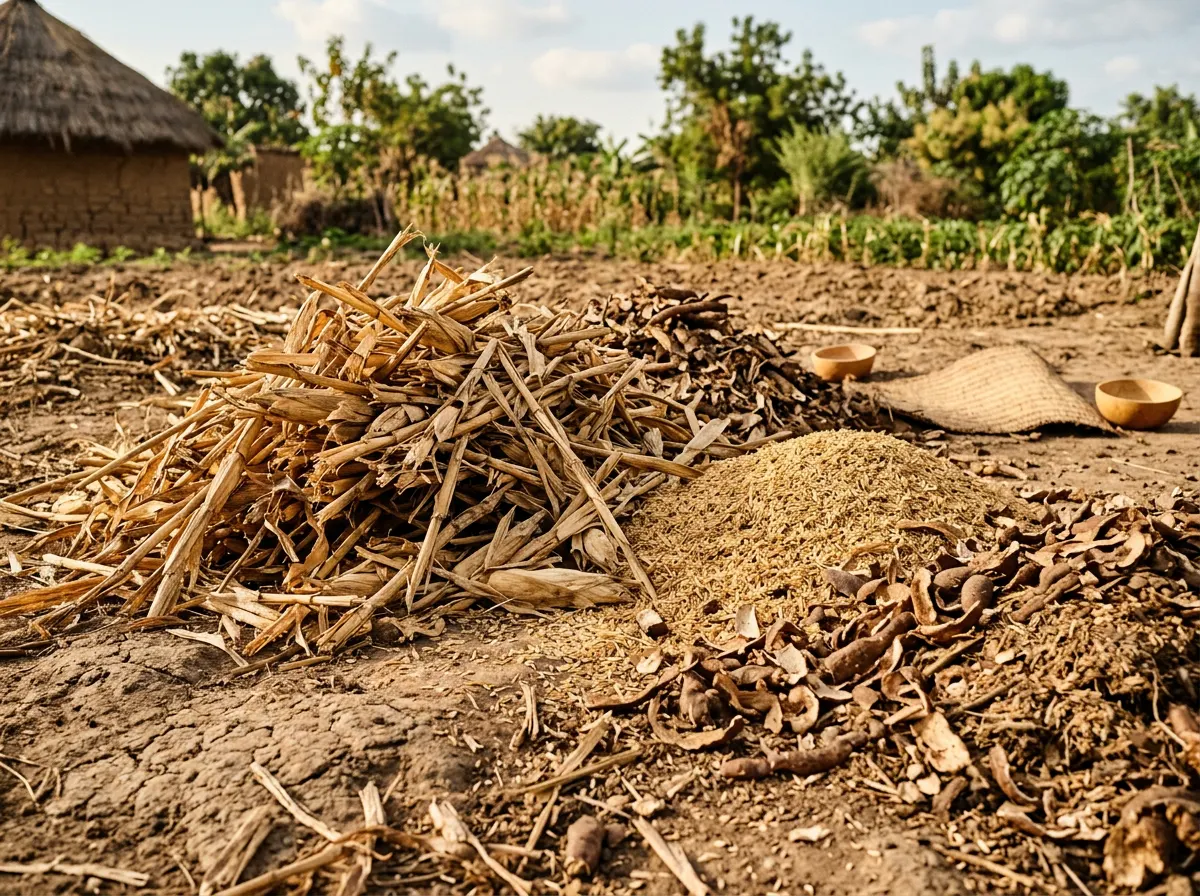
Nigeria has a large and diverse agricultural sector, producing crop residues that are often left unused or burned in the open.
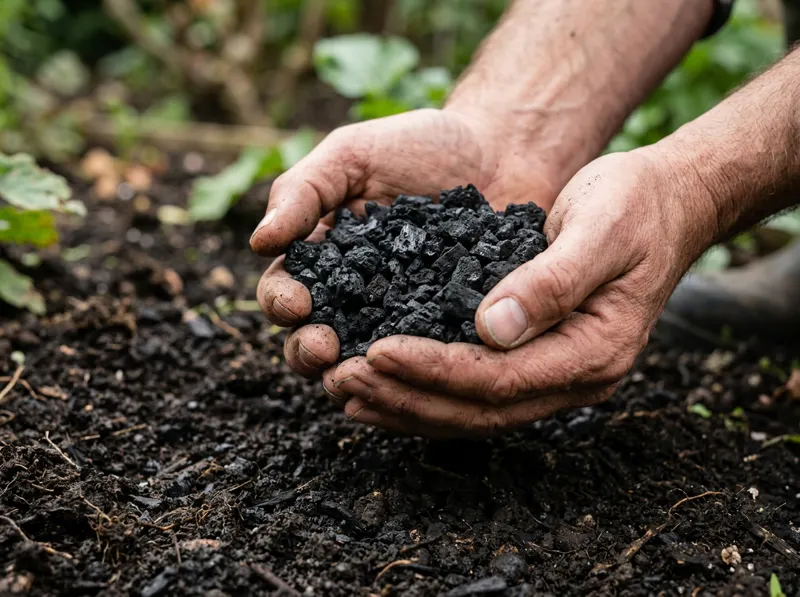
Biochar offers a way to convert suitable residues into a stable, carbon-rich material. When produced and applied correctly, biochar can retain much of its carbon for long periods and may also improve certain soil properties.
Our proposed project aims to establish whether — and where — a biochar operation can be built on reliable, responsibly sourced feedstock, using technology that suits local conditions and meets recognised quality and carbon accounting standards.
Four workstreams
The project is organised into connected workstreams. Each is shown with its current status.
-
01
Planned
Agricultural residue assessment
Identifying which crop residues are available, where, in what quantities and in which seasons.
- Mapping key crops and processing hubs in target regions
- Characterising residue types and current uses
- Estimating sustainably available volumes
-
02
Planned
Feedstock sourcing
Designing a reliable, fair and responsible supply of residues from farmers and agro-processors.
- Engaging farmers, cooperatives and processors
- Planning collection, aggregation, storage and transport
- Setting sustainability criteria for eligible feedstock
-
03
Planned
Potential conversion into biochar
Evaluating whether selected residues can be converted into quality biochar at a viable scale.
- Feedstock testing and characterisation
- Comparing pyrolysis technologies and suppliers
- Assessing biochar quality against recognised standards
-
04
Planned
Project development activities
Preparing the technical, environmental, commercial and regulatory foundations of the project.
- Feasibility studies and site selection
- Environmental and social assessment
- Carbon methodology review and registry pathway
- Partnership development and financing
Residues we expect to assess
The final feedstock mix will depend on availability, sustainability and suitability findings.
Planned activities and completed achievements
We keep these two lists separate so that partners can see exactly where the project stands.
Planned activities Planned
- Agricultural residue availability assessment in target regions
- Stakeholder engagement with farmers and agro-processors
- Feedstock sampling and laboratory characterisation
- Biochar technology evaluation and supplier review
- Environmental and social safeguards assessment
- Carbon removal methodology and registry review
- Technical and commercial feasibility study
Completed achievements Completed
No completed milestones have been published yet.
Achievements will be listed here only once they have been completed and documented.
Help shape the project from the start
We are seeking partners with technical, research, agricultural and investment expertise to help move this project forward.